Top Vintage Clothing
The Essential Manual to Retro Clothing: Pointers for Sourcing Genuine Items
The world of vintage clothing offers a distinctive combination of heritage and style. Each piece carries its own narrative, showcasing the cultural nuances of its era. Finding genuine pieces, however, demands expertise and patience. From recognizing quality fabrics to understanding different fashion periods, the process can be both rewarding and difficult. As collectors pursue timeless wardrobe staples, they must also consider how to preserve their antique acquisitions for years to come. What essential tips await those eager to discover this domain?
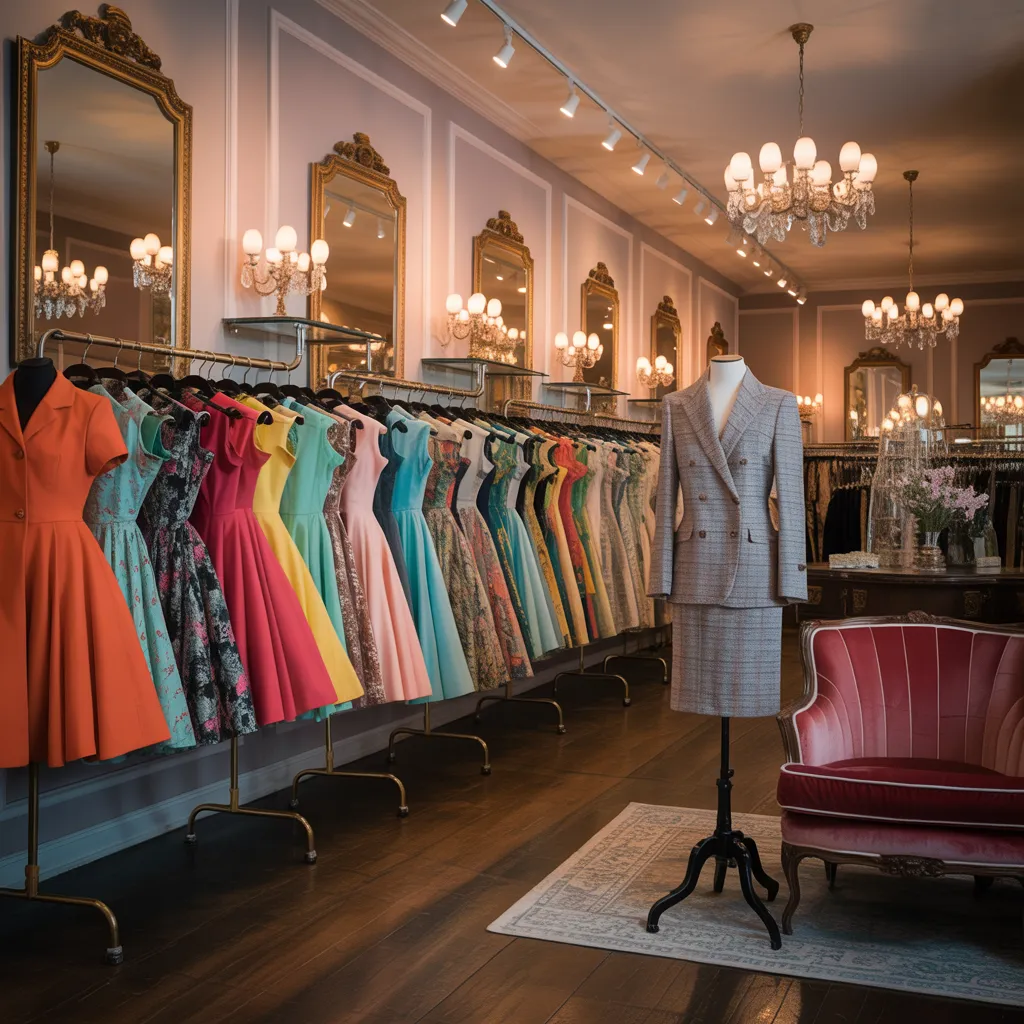
Explanations Vintage Wear Counts
The charm of classic garments stems from its deep heritage and cultural significance. Each piece carries a story, often reflecting the cultural movements, style influences, and artistry of its time. By wearing vintage attire, individuals link to the past, honoring eras marked by distinct styles and principles. This connection fosters a sense of identity and personal expression that modern clothing often misses.
In addition, used fashion reinforces sustainability in an domain synonymous with waste. Picking gently-used pieces minimizes the request for fast fashion, which negatively impacts the surroundings. Vintage enthusiasts support the appreciation of quality over quantity, accentuating timeless designs that overcome fleeting trends.
Essentially, used garments proves valuable not only for its aesthetic appeal but also for its role in preserving cultural customs and promoting mindful purchasing. By embracing these garments, persons fuel a broader discussion about fashion, history, and environmental consciousness.
Places to Hunt for True Retro Collectibles
There exists a myriad of spots where enthusiasts can unearth real vintage articles, each providing exclusive items. Thrift stores and consignment shops act as treasure troves, often containing forgotten garments that narrate histories of the past. Estate sales and auctions can bring extraordinary discoveries, allowing buyers to explore entire collections curated over decades. Online marketplaces, such as Etsy and eBay, give availability to a broad inventory of vintage clothing, while social media platforms commonly host sellers specializing in vintage fashion. Vintage fairs and pop-up markets present means to browse curated selections from various vendors, fostering a bond of community among collectors. Additionally, vintage boutiques, often located in trendy neighborhoods, offer well-chosen pieces with a focus on quality and authenticity. Each venue holds its own charm and potential for finding that perfect vintage item, making the hunt an important part of the experience.
How to Distinguish Quality Cloth and Workmanship?
When assessing antique garments, understanding material makeup is crucial for establishing quality. Additionally, recognizing effective stitching techniques and spotting labels can offer valuable insights into a piece's craftsmanship. These factors collectively improve the ability to discern genuine antique items from lesser-quality alternatives.
Fabric Make-up Is Important
Quality fabrics serve as the foundation of vintage clothing, often shaping both visual appeal and durability. When examining fabric composition, focus should be placed on the fiber varieties, such as cotton, wool, silk, and linen. Natural fibers typically signify higher quality, delivering breathability and durability. In contrast, artificial fibers may indicate a more recent manufacturing period, potentially compromising genuineness.
Additionally, the weight of the fabric can reveal its quality; heavier alternatives often point to a more solid construction. Touch is also vital; a well-made vintage piece should feel substantial and opulent to the touch. Educating oneself on common compositions and fabric care can enhance the ability to discern valuable pieces, making careful choices when curating a vintage wardrobe.
Stitching Techniques Analysis
Assessing sewing techniques reveals much about the quality of vintage clothing. High-quality garments often feature even, firm stitches that demonstrate expert construction. When inspecting seams, check for a consistent thread tension and absence of fraying. Double-stitched or reinforced areas indicate durability, while hand-stitched details can suggest higher craftsmanship. Additionally, the type of stitch—such as straight, zigzag, or overlock—can provide insights into the garment's intended use and age. Edges finished with clean hems or bias tape suggest meticulous attention to detail. Finally, reviewing the overall alignment of patterns and motifs can further confirm authenticity, as misaligned prints may signal a less reputable piece.
Label Reading Suggestions
How can one efficiently identify the grade of vintage clothing by examining its labels? First, analyzing the label can disclose the brand's reputation and era. Well-known labels often show excellent craftsmanship. Next, reviewing the fabric content is crucial; natural fibers like silk, wool, and cotton generally indicate higher quality compared to synthetic alternatives. Additionally, the label’s care instructions can provide details regarding the garment’s durability.
Construction details, such as stitching quality and the inclusion of backing material, enhance the evaluation; properly made pieces tend to endure longer. Finally, vintage labels themselves can serve as indicators of authenticity. By combining these elements, one can make informed decisions when choosing antique garments that stands the test of time.
Understanding Antique Fashion Periods
Although numerous enthusiasts appreciate the charm of vintage clothing, identifying the specific style eras can be a nuanced task. Each era, from the 1920s flapper dresses to the 1980s power suits, presents distinct characteristics that establish its visual appeal. Awareness of historical background, along with fashion trends and societal shifts, is essential for correct determination.
The 1930s centered on elegant silhouettes rendered in bias-cut materials, while the 1940s introduced utilitarian designs as a result of wartime restrictions. The 1960s presented vivid patterns and youth-centric styles, sharply contrasting with the more conservative looks of the 1950s. The 1970s embraced bohemian styles and eclectic patterns, while the 1980s preferred exaggerated shapes and vibrant colors.
Enthusiasts can refine their knowledge by researching fashion history, examining garment construction, and noticing signature details. This understanding not only deepens appreciation but also facilitates in curating a wardrobe that truly expresses the charm of each vintage era.
Interested in negotiating prices at Vintage Shops?
When engaging with shop owners, a cordial approach can foster a positive atmosphere. Shoppers may lead with complimenting the items before presenting their offer price. Highlighting any defects or usage marks can explain a decreased offer, but it's essential to be considerate and prepared to converse.
Proposing a bundle deal for multiple items can also inspire a more favorable cost. Ultimately, successful negotiation relies on the skill to maintain directness with consideration, making sure that both parties feel satisfied with the outcome. With repetition, shoppers can enhance their skills and make vintage finds more affordable.
Ways to Keep Your Vintage Finds Looking Excellent
Vintage clothing can maintain its charm and appeal with proper care and attention. To extend lifespan, it is crucial to follow particular care procedures. Manual laundering is often preferred, using mild soaps and cool temperatures to avoid harming materials. For fragile pieces, dry cleaning is advisable, but always check the cleaner's experience with vintage textiles.
Storage remains equally important. Pieces should be positioned on padded hangers or arranged in acid-free tissue paper to prevent creasing. Keeping items in a cool, dark place protects them from fading and deterioration caused by sunlight.
Routine examinations for signs of deterioration or bugs can help tackle concerns before they escalate. When donning vintage pieces, avoid heavy jewelry that could tear textiles and be mindful of exposure to harsh elements. With these practices, retro discoveries can remain vibrant and serviceable for years to come.
Essential Antique Parts for a Varied Clothing
When constructing a flexible wardrobe, specific vintage pieces shine for their enduring appeal and versatility. A denim jacket, a classic little black dress, and a vintage leather handbag serve as foundational items, effortlessly shifting from casual to formal settings. These key pieces not only elevate personal style but also showcase the lasting charm of vintage fashion.
Iconic Denim Jackets
Although denim jackets have changed over the eras, their enduring appeal makes them a staple in any flexible wardrobe. Vintage denim jackets, particularly those from the 1970s and 1980s, often feature distinctive finishes, aged surfaces, and signature seams that add to their personality. The jackets can move between casual and dressy settings, pairing well with dresses to cargo pants. The enduring style gives countless ways to style, maintaining their relevance all year. Additionally, authentic vintage options often provide a more environmentally conscious alternative compared to fast fashion. Collectors seek jackets from reputable brands, which not only add style but also worth, making them learn more a worthwhile investment for those aiming to build a unique closet.
Classic Little Black Dress
The classic little black dress (LBD) functions as a staple of timeless style, much like the classic denim jacket. Emerging from the 1920s, this flexible piece goes beyond trends and occasions. Built with various materials, including silk, chiffon, and lace, the LBD can easily transition from relaxed to elegant settings. When hunting for authentic vintage options, look for superior craftsmanship, special touches, and signature labels. Options may differ, from fitted silhouettes to relaxed A-lines, catering to diverse body types and personal preferences. Combining the LBD with statement pieces or layering pieces can enhance its versatility, making it a necessary addition to any vintage wardrobe. In conclusion, the little black dress epitomizes simplicity and grace, ensuring its enduring appeal across generations.
Antique Leather Handbags
Vintage leather handbags function as important components that enhance any wardrobe with their timeless elegance and functionality. These bags, often made with high-quality materials, display unique designs that reflect various fashion eras, making them flexible for both casual and formal occasions. When selecting a vintage leather handbag, authenticity is crucial; discerning buyers should look for brand markings, hardware quality, and stitching details. Popular styles include structured satchels, crossbody bags, and clutches, each providing distinct charm. Condition matters as well—well-maintained bags can survive the test of time, while signs of wear may suggest a story worth telling. By incorporating a vintage leather handbag into one's collection, individuals can readily elevate their personal style while adopting sustainable fashion choices.
Common Questions Asked Often
What is the right way to find out the value of my retro clothing?
To establish the worth of vintage clothing, one should research similar items on the internet, consider manufacturer credibility, evaluate condition, and seek advice from valuators or vintage experts for accurate pricing based on market demand and rarity.
Is It Feasible to Adjust Antique Apparel for a Superior Fit?
Vintage clothing can definitely be altered to achieve a superior fit. Tailors frequently alter seams, hemlines, and other components, keeping intact the garment's integrity while enhancing comfort and style, making it more wearable for contemporary fashion.
What Online Platforms Offer the Finest Range for Buying Vintage Items?
The finest shopping destinations for acquiring secondhand apparel include Etsy, eBay, Depop, and copyright. Each provides a varied collection, helping customers to find original clothing that complement their style and budget efficiently.
How can I identify if a antique item is a fake?
To spot a reproduction vintage piece, one should review tags, seams, material quality, and assembly techniques. Additionally, researching the era's specific characteristics can assist in establishing authenticity, separating genuine items from modern imitations.
Do Specific Brands Exist for Providing Superior Vintage Items?
Various brands, such as Chanel, Dior, and Levi's, are distinguished for their superior vintage products. Collectors habitually locate these brands, as they indicate craftsmanship and perpetual style, making them desirable in the vintage market.